-
-
-
4124 Cimmaron Road, CA 92806
Welcome to Our Judges Office
Llene, por favor, este formulario y responderemos lo más pronto posible.

Contrary to popular belief, Lorem Ipsum is not simply random text. It has roots in a piece of classical Latin literature from 45 BC, making it over 2000 years old.
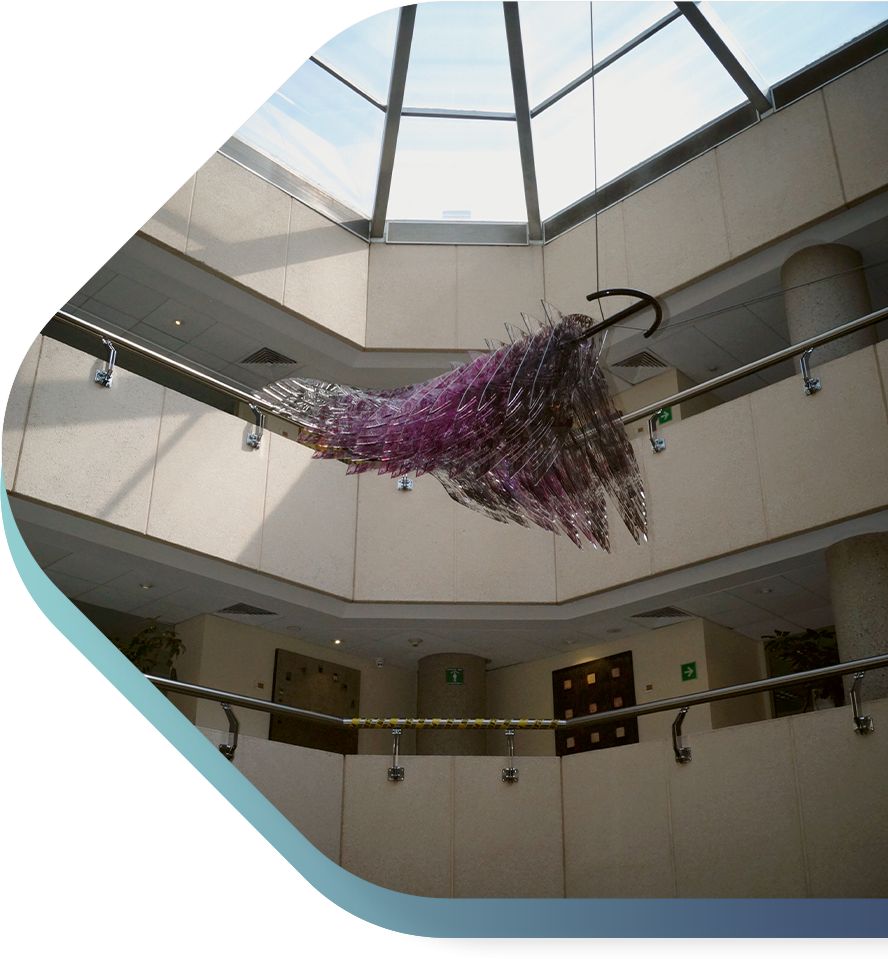

OLIVARES, over many years of legal practice in specific industries, honed its experience in certain areas with highly technical and regulated environments. The firm created practice groups – teams comprised of the professionals with the most knowledge and experience in those areas to benefit clients in these industries. The breakout teams at the firm currently focus on
These dedicated industry groups help companies manage all their specialized legal needs under one roof. Clients benefit because the interdisciplinary approach, along with the firm’s in-depth technical and legal knowledge, leads to better results and mitigated risks when doing business in Mexico and across Latin America.

Life Sciences
The Life Sciences Industry Group’s mission is clear – OLIVARES is changing and facilitating the regulatory landscape for companies doing business in Mexico. The firm represents many of the world’s leading innovators involved in research, development, and manufacture of pharmaceuticals, biotech products, agricultural goods, chemicals, medical devices, as well as food and beverages.

Entertainment
OLIVARES is perhaps the only true one-stop shop for media and entertainment law in Mexico. The origin of this industry group stems from OLIVARES being one of the first law firms in Mexico to address copyright law matters directly.

New Technologies & Data Privacy Law
Information in the form of data is so freely transferred around the world, including throughout Mexico. This, along with new technologies, especially related to AI, blockchain, IoT, quantum computing, virtual reality, and others, presents risks and opportunities to all companies that have or collect and use data in new ways, in their operations, research, applications, and communications.
Patents

Patents
Litigation

Trademarks
Patents

Litigation

Litigation

Trademarks
Patents
Copyright and Entertainment law

I. INTRODUCTION 1.1. Statement The author’s economic rights have always been subject to limits in both time and form. Time limits are not just......

Nunca abandoné la música. A los 8 años tuve mi primer acercamiento con ella cuando mi papá me regaló una tumbadora, la cual sigue aquí en mi oficina.......

No obstante los avances en la lucha para reconocer a plenitud el papel de la mujer en la sociedad mexicana y a la par de las acciones encaminadas a at......
Managing Partner
Pedro Luis Ogazón 17, Col. San Ángel, 01000, Ciudad de México.
Teléfono 52 (55) 5322 3000 Fax 52 (55) 5322 3001
Dirección de correo electrónico olivlaw@olivares.mx